
German POW Camps in Maine in WWII
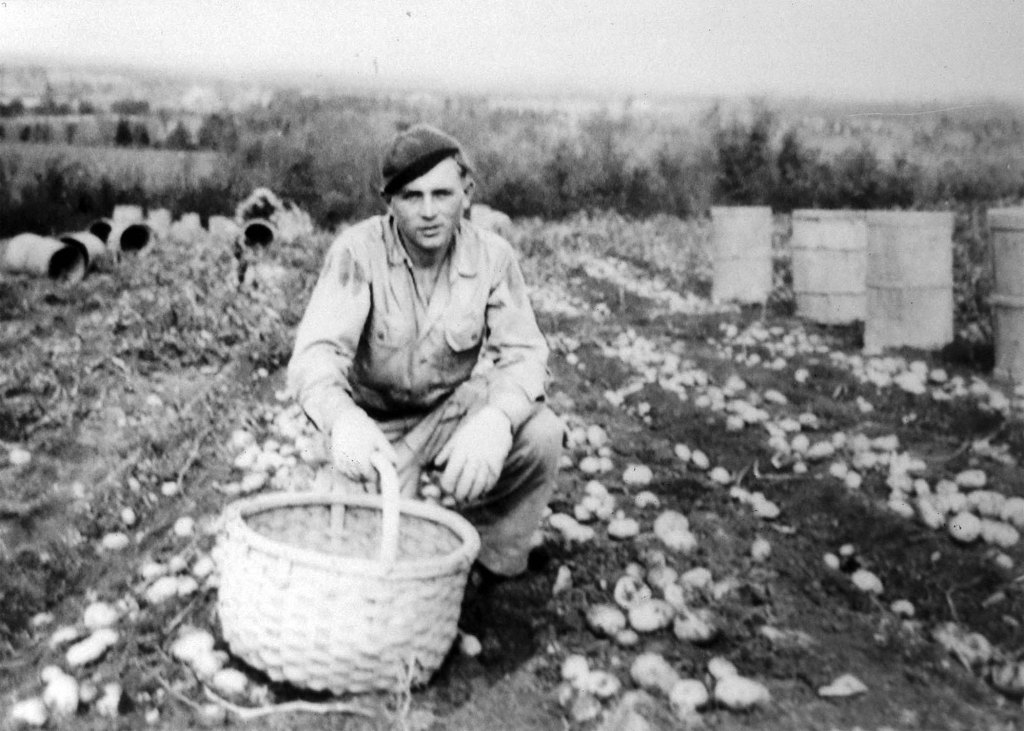
Between 1944 and 1946, more than 4,000 German prisoners of war called Maine home. The story of how they arrived, and the lasting impact that they had on the people who encountered them is one of Maine’s most interesting and obscure stories.
This program emerged from a 2012 exhibit, Maine Boys Overseas, German Boys in Maine created for the Holocaust and Human Rights Center of Maine. The interesting and lively program includes artifacts and stories from the Aroostook County Historical and Art Museum, the Jackman Historical Society, the Grand Lake Stream Historical Society, the Greenville Historical Society, the Maine State Museum, the Fogler Library at the University of Maine, the Maine State Library, the Maine Folklife Center, Yankee Magazine, Northeast Historic Films, and numerous individual researchers and authors.
German POW Camps in Maine in WWII is a story of cooperation, kindness, and enemies who found a way to work for a common good, and even became friends.
Maine At Work
First created in 2014 thanks to a commission from the Maine Humanities Council, Maine At Work sets its focus on the past and present working life of Maine’s people.
The program was developed through a year-long series of conversations with groups and individuals about the nature of work in our state. Combined with history, demographics, and a deep dive into the ways our Governors talked publicly about workers.
This version has been updated to include the ways our relationship to work and employment has changed through the pandemic and the current downward shift of the unemployment rate.
The 40-minute presentation is followed by an audience discussion about the issues raised in the program and an opportunity to imagine what work in Maine might look like in the years to come.

As Maine Grows
Using different historical characters, humor, little known facts, thought-provoking stories and current material gathered from the general public, As Maine Grows explores the history of growth and development in Maine. The program encourages audience members to consider how history, customs and attitudes influence the way we think about change and growth in our state, and about individual preferences in relation to the common good.
The 40-minute presentation is followed by an audience discussion about the issues raised in the program and an opportunity to imagine what Maine might look like in the years to come.
As Maine Grows was commissioned and first presented by the Maine Humanities Council in 2009 and toured throughout Maine.
WWI: Mainers’ Letters Home
More than 65 million men from 30 countries fought in WWI. Nearly 10 million died. An additional 5 million civilians were killed, and the war over 20 million soldiers and civilians were injured. The Spanish flu caused about a third of all military deaths.
The war began in the summer of 1914, and the US joined the war on April 6th, 1917. To increase the size of the U.S. Army during WWI, Congress passed the Selective Service Act, which was also known as the conscription or draft a month later. By the end of the war, 2.7 million men were drafted. Another 1.3 million volunteered.
Personal letters written home reflected the human cost of conflict. Whether it was Bates student Fred Creelman writing from the trenches in France in the midst of battle, “I am writing this letter with the roar of the guns about;” or Kilburn O. Sherman of Boothbay Harbor sharing his shock: “I never wish to remember things I have seen in the last month.”
This program includes stories from letters and journals found in the archives of Bates, Bowdoin, Colby, and the University of Maine, as well as the Maine State Museum, Maine State Archives, Maine State Library, and numerous individuals.

The Zany, Majestic Bard
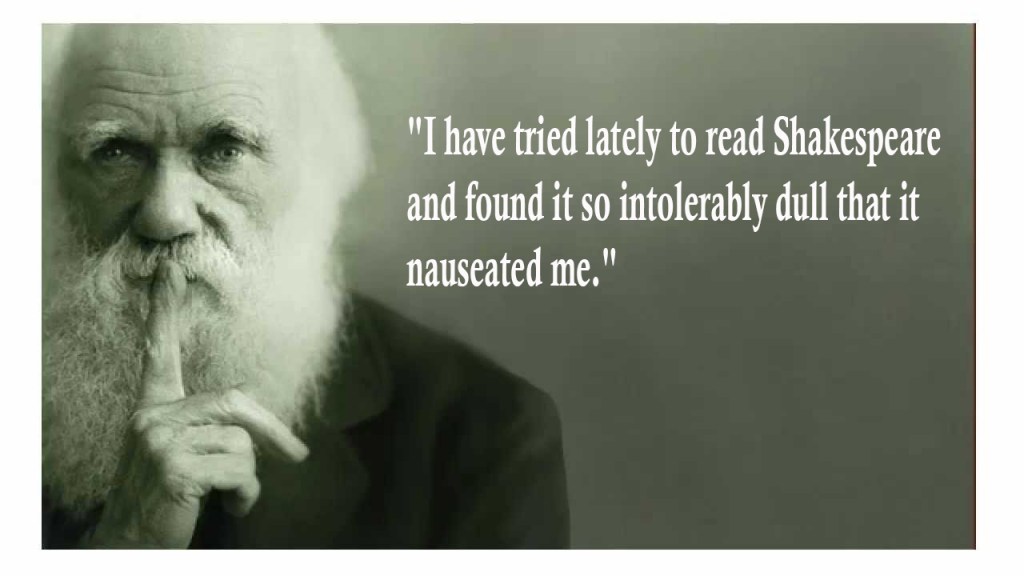
While not a program based in Maine History, The Zany, Majestic Bard was created in 2016 in honor of the 400th anniversary of Shakespeare’s death. The program was commissioned through a partnership between the Maine State Library and the Maine Humanities Council and toured throughout the state..
The 60-minute performance sets out to convince even the most stubborn of readers and non-readers to discover that Shakespeare’s plays remain among the most relevant, accessible, tragic, and fun pieces of literature that exist.
Fans of the Bard will learn some new and interesting facts, and those unfamiliar with his plays or terrified by Iambic pentameter will be surprised to learn that many of the words and phrases we use today (such as ‘zany’ and ‘majestic’) were actually created by Shakespeare.
The Zany, Majestic Bard is contextual, interesting and entertaining for all ages and even includes the opportunity to read some Shakespeare and hear a monologue that researchers and scholars believe was written by Shakespeare for an early play about Sir Thomas More. Amazingly, the speech seems like it could have been written today, rather than more that 400 years ago. Mostly, however, The Zany, Majestic Bard is just for fun.
 Creative Problem Solving and Organizational Development