We all know the not-for-profit and tax-exempt tenants of the IRS Code. For many arts and culture organizations the benefit of your non-profit designation opens the door to individual contributions and grants to help balance (and sometimes carry) your organization beyond your earned income.
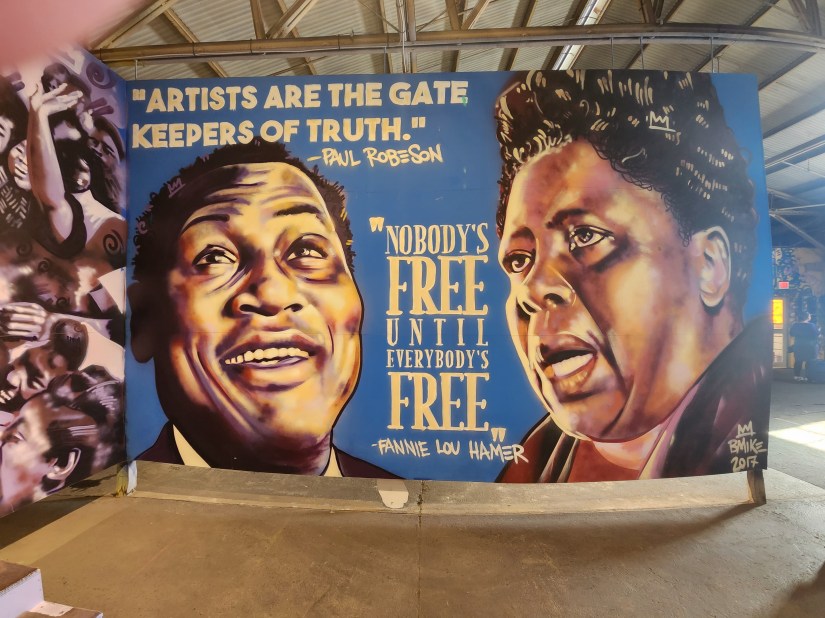
A mural from EPHEMERAL.ETERNAL by Brandan BMIKE Odums at Studio Be, New Orleans, 2023
Despite recent tax changes that have negatively affected the benefits of individual contributions for donors, we saw an increase in individual giving during the pandemic. It’s well documented that arts and cultural organizations were generally the ‘first ones in and the last ones out’ of the Covid shutdowns. Thankfully, our most dedicated fans responded to our pleas for support.
As we edge into 2024, arts and culture non-profits are – for the most part – seeing a return to pre-pandemic attendance goals.
Scratch the surface, however, and we also see the return of many of the same challenges that existed prior to March of 2020: an older patron base, lack of support for programs outside of the ‘comfort zone’, and other factors that make our bottom line feel more like a high-risk gamble than a sure bet.
We’re not going back three years to the ‘before times.’ We’ve edged into a very different ‘new time’ when the expectations of our audiences as well our workers have changed.
Audience members want something more from the experience of ‘going out.’ And staff members are pressing for their work, their pay, and their experience of working for your organization to be more fulfilling.
If anything, running a non-profit organization specializing in arts and culture is even more challenging than it was three years ago.
Normally, consultants and others who assist organizations to succeed recommend a return to the mission. Our mission, after all, is the foundation of our work. We should build from there.
However, I’d like to suggest that we go deeper than our mission. Let’s go right to the source of our organizational structure – the 501(c)(3) designation of the IRS tax code.
I know, sexy business. Far be it from me to sing the praises of the IRS and the Federal Government in their wisdom. But take a look. There’s some wisdom to be found.
We generally know the basics of our charitable requirements:
The exempt purposes set forth in section 501(c)(3) are charitable, religious, educational, scientific, literary, testing for public safety, fostering national or international amateur sports competition, and preventing cruelty to children or animals.
But look at the code’s definition of the word ‘charitable’:
The term charitable is used in its generally accepted legal sense and includes relief of the poor, the distressed, or the underprivileged; advancement of religion; advancement of education or science; erecting or maintaining public buildings, monuments, or works; lessening the burdens of government; lessening neighborhood tensions; eliminating prejudice and discrimination; defending human and civil rights secured by law; and combating community deterioration and juvenile delinquency.
Yes, we work to keep our prices low and our educational programs intact. But are we lessening neighborhood tensions? Eliminating prejudice and discrimination? Defending human and civil rights secured by law? Combating community deterioration and juvenile delinquency?
How is our work addressing homelessness in our community? How about poverty and hunger? Any cultural organizations out there focusing a project on the housing crisis or the failure of the mental health system?
Sure, we’re focused on DEAI in our casting and the presenting of artists. What are we doing about the DEAI of our audiences? Are we talking with our audiences about it?
During a recent dinner I overheard a couple of retired arts patrons commenting that their favorite presenting organization was going too far in offering such diverse performances. Those gentlemen need some context to go along with their diversity programing.
Our organizations will thrive when they become relevant to the whole community we serve. But it might not be enough to just show our mission – we need to live it. Our organizations will become vital when we start working to creatively identify and find creative ways to discuss the immediate needs of our communities.
I’m not suggesting wholesale changes here. Start with one project. Work with the board and staff to come up with one focus area that’s local and critical to your community and spend some time working to find a creative way to get people talking about it. It’s a great role for us to play and will help make us relevant in our own place.
A few months ago, I had the pleasure of hearing a talk by genetic researcher and anthropologist Dr. Keolu Fox as he discussed culture. The Hawaiian-born Fox reflected on our long history of pushing aside Indigenous culture. He shared the wisdom of his mother as she considered the many non-Indigenous people who have moved to Hawaii. She wondered: Are you here to pick fruit, or plant trees?
As cultural, place-based non-profits, we must also consider our role. And if we re-examine the charitable role that the IRS code expects, it’s clear that we too must plant trees in order to succeed.

 Creative Problem Solving and Organizational Development